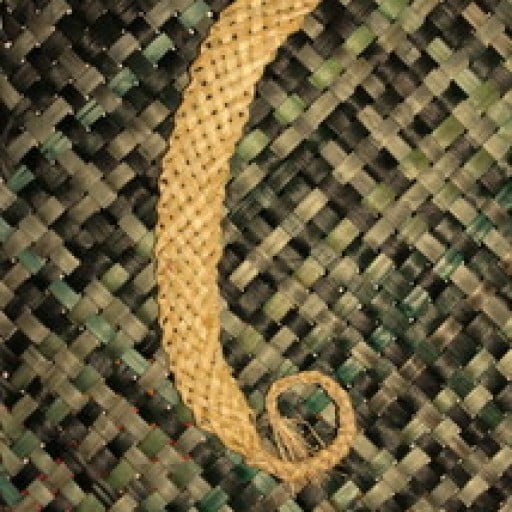
The exhibition is at The Collaboration, 83 Devon Street East, New Plymouth, New Zealand, from 14 May to 21 June 2026.
Gallery statement
Between Fibre & Form is a curated, biannual exhibition exploring the evolving relationship between traditional textile practice and contemporary art.
Bringing together a small group of artists, the exhibition spans traditional fibre techniques through to experimental, boundary-pushing work. Each piece sits in the space between material and meaning, where thread, texture, and structure are used to explore form, narrative, and process.
This exhibition celebrates fibre as a powerful and versatile medium, moving beyond traditional definitions of craft and into a refined gallery context. From intricate handwork to sculptural and conceptual forms, the works presented offer a fresh perspective on what textile art can be.
At its core, Between Fibre & Form is about tension and balance – soft and structured, traditional and contemporary, tactile and conceptual – inviting viewers to experience fibre in new and unexpected ways.
My contribution
I want to share a little more about my own contribution to Between Fibre and Form and how these works sit within my ongoing harakeke practice.
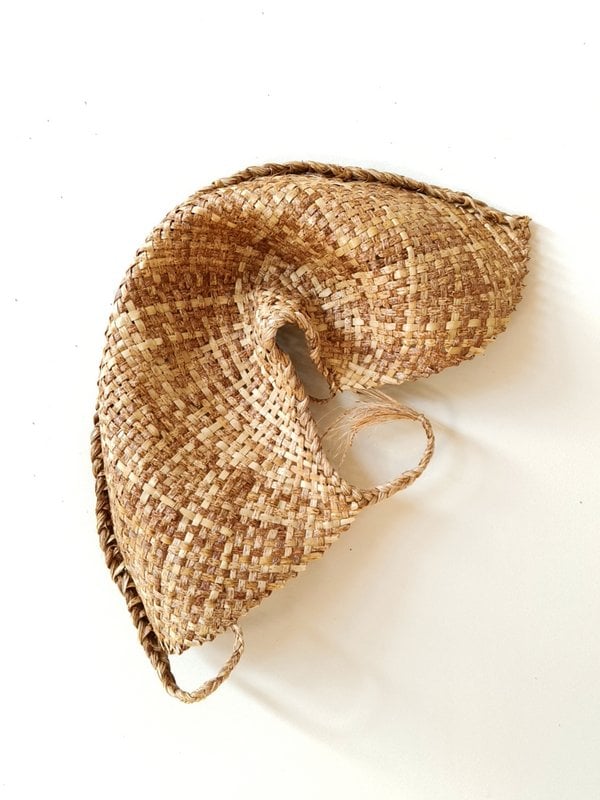
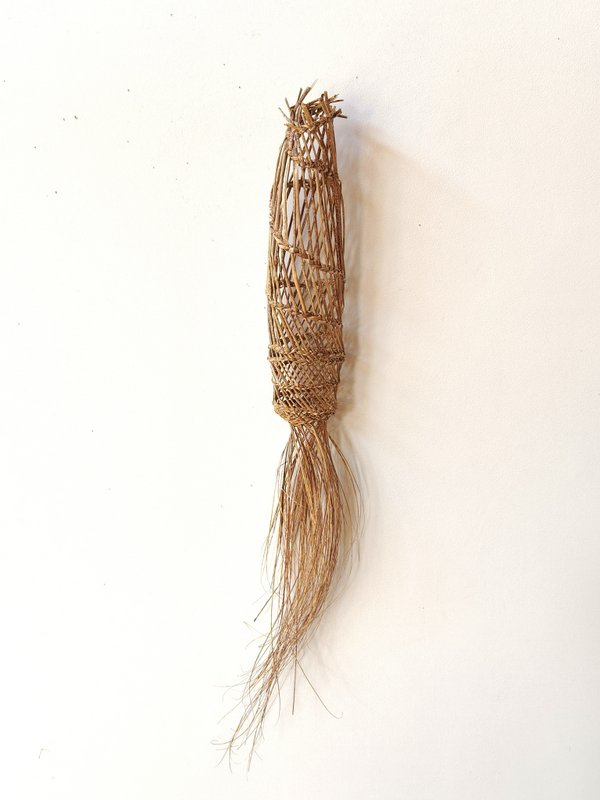
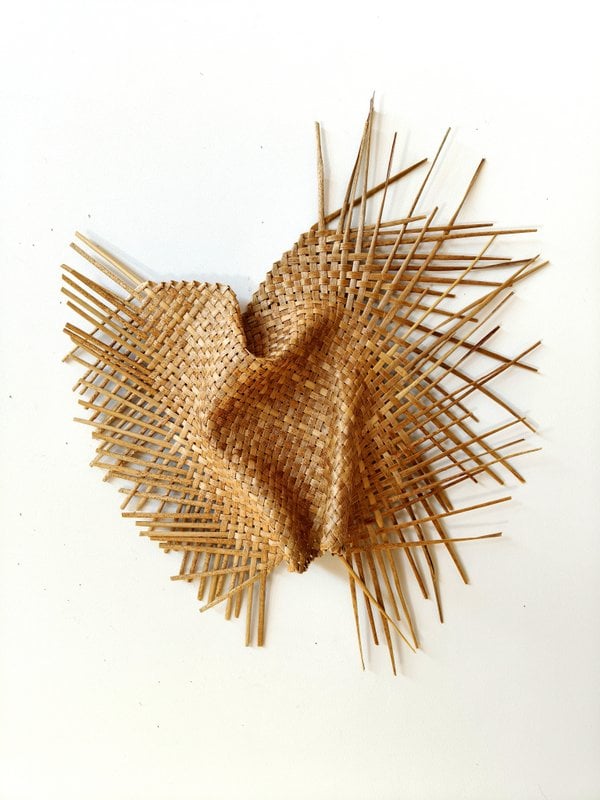
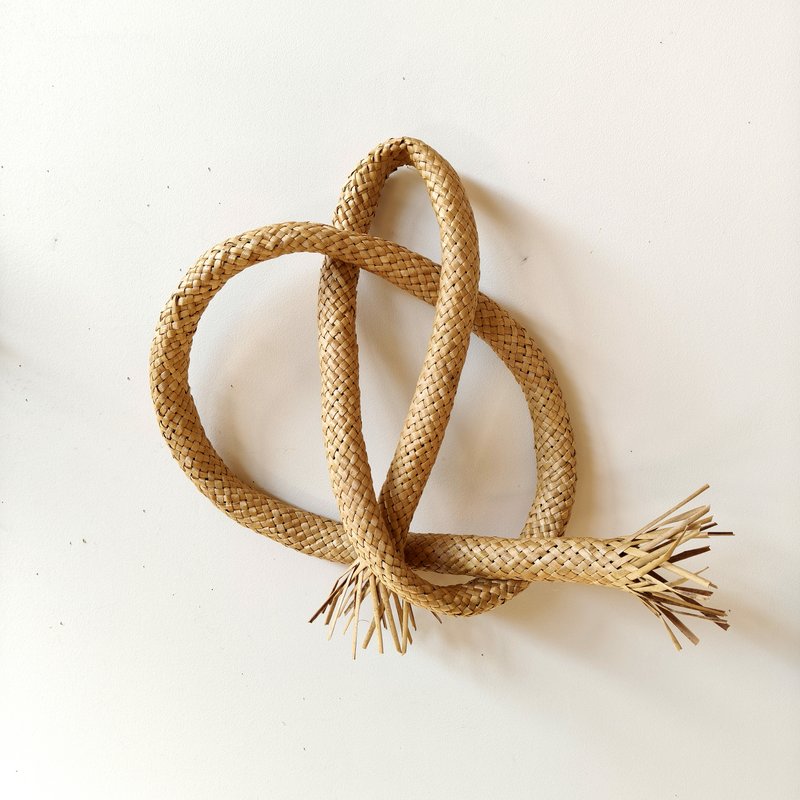
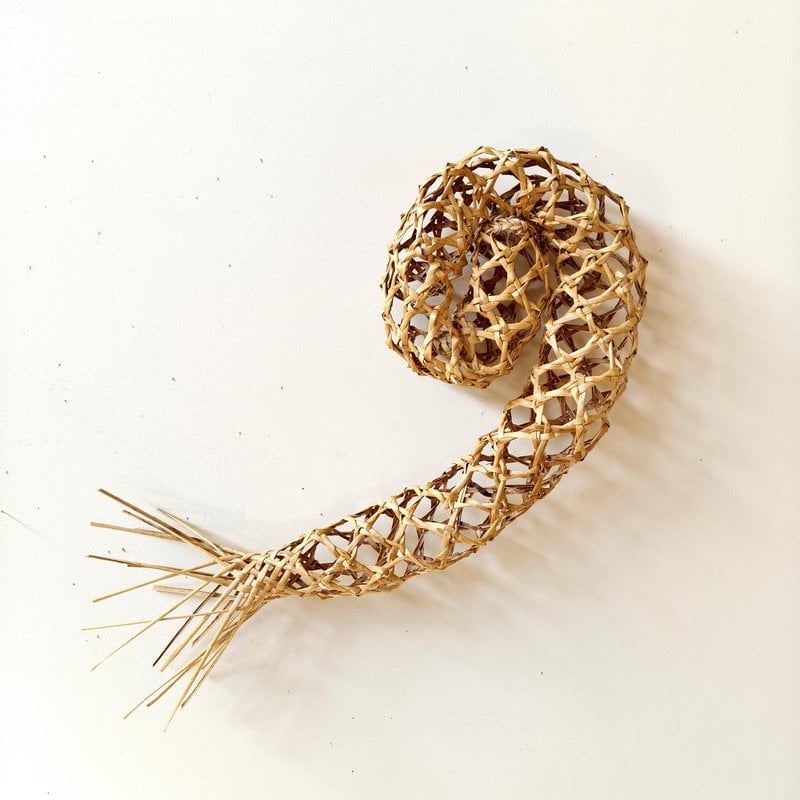
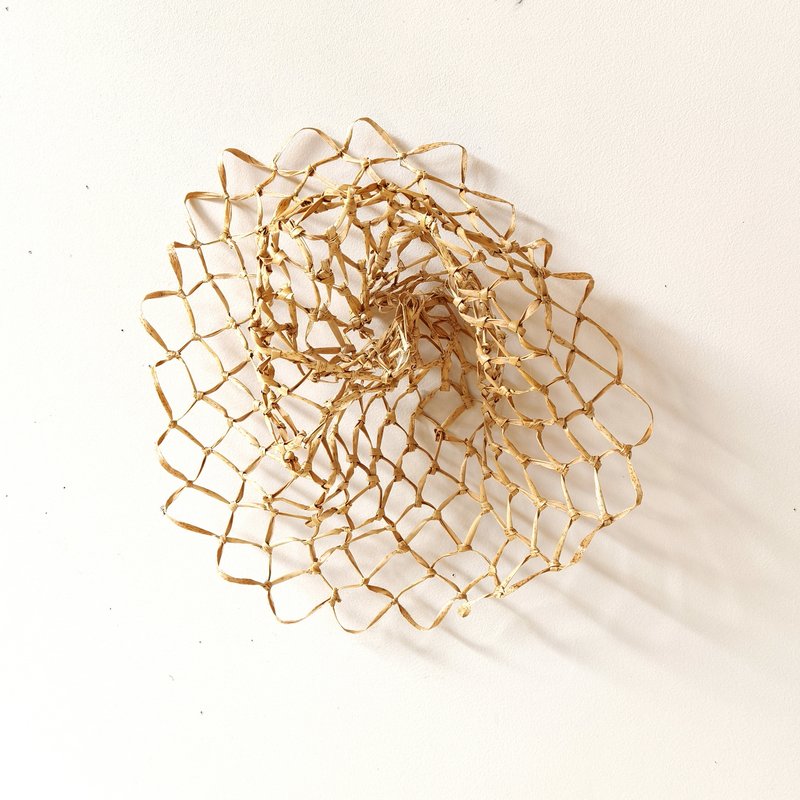
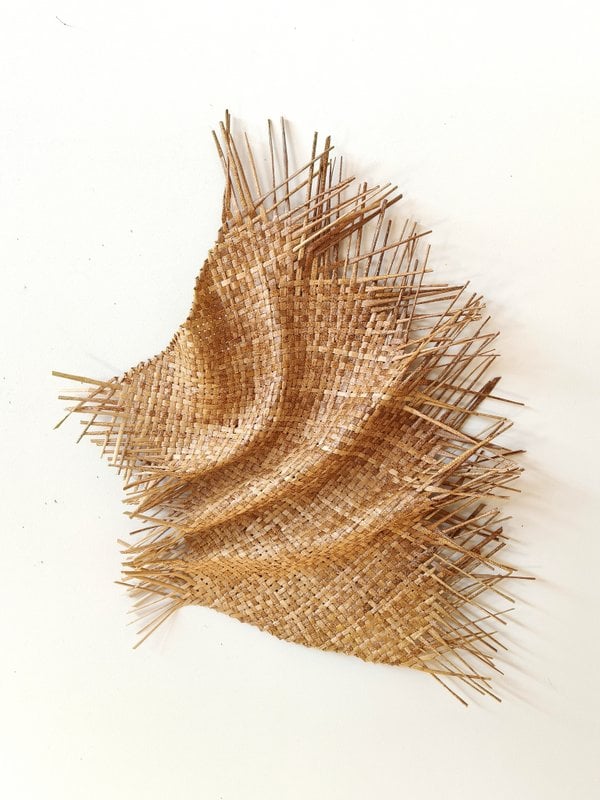
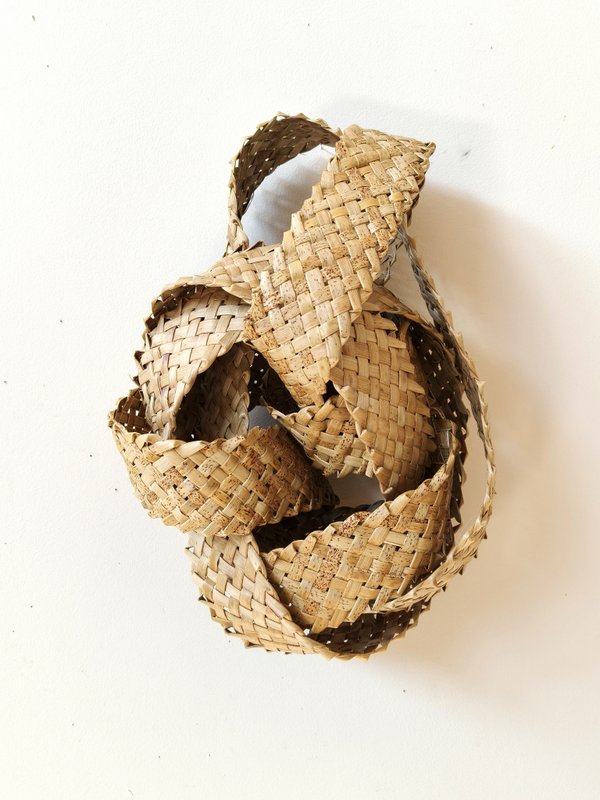
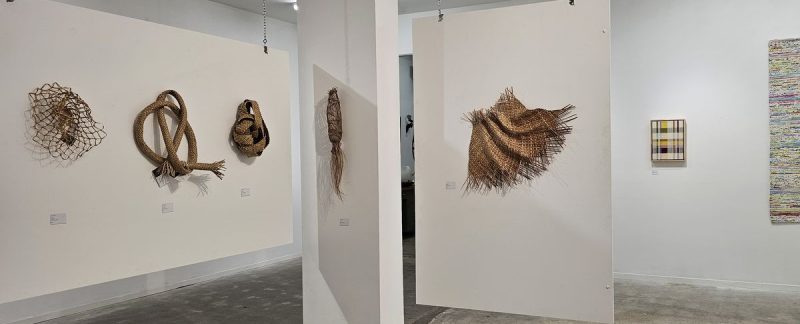
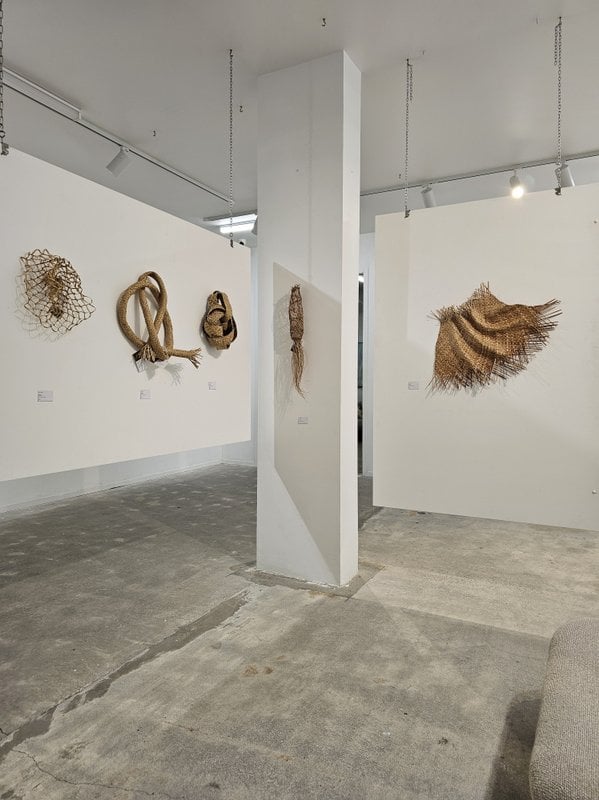
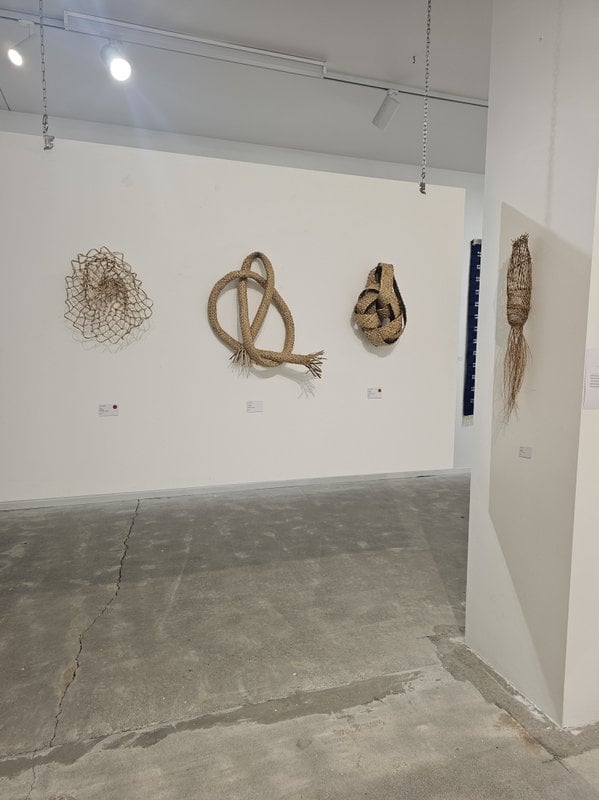
I was thrilled to be invited to be part of this exhibition, and the eight artworks I submitted are shown above. Here are five of them in hanging in the gallery. (Photos – Anna Scott)
Artist statement
Hokitika based artist Anne Daniel creates sculptural fibre works using harakeke (New Zealand flax, Phormium tenax) grown in her pā harakeke. Her process is guided by head, hands, and heart, and each piece evolves through direct engagement with the material.
Fresh harakeke is highly responsive. Anne shapes the forms while the fibres are pliable, allowing tension, twist, and structure to emerge. As the material dries, it contracts and settles, completing the form in ways that reflect both intention and the fibre’s own behaviour.
She highlights the natural colour of harakeke and incorporates the spotted rau/leaves and imperfections that occur naturally, treating them as integral to the work rather than flaws.
Many pieces can be reoriented when hung, creating different shadow patterns and spatial relationships. The shadows cast by the sculptural forms are an active part of the work, extending its presence into the surrounding space.
Her practice centres on material behaviour—observing how harakeke shifts, dries, and holds—and allowing those movements to define the final sculptural outcome.